
Preparing Your Business for Seasonal Freight Demands
EC
Understanding Seasonal Freight Demands
Every year, businesses face unique challenges as they navigate through seasonal freight demands. These fluctuations can significantly impact logistics and overall operations, requiring strategic planning and adaptation. Understanding the patterns and drivers behind these demands is essential for maintaining efficiency and customer satisfaction.
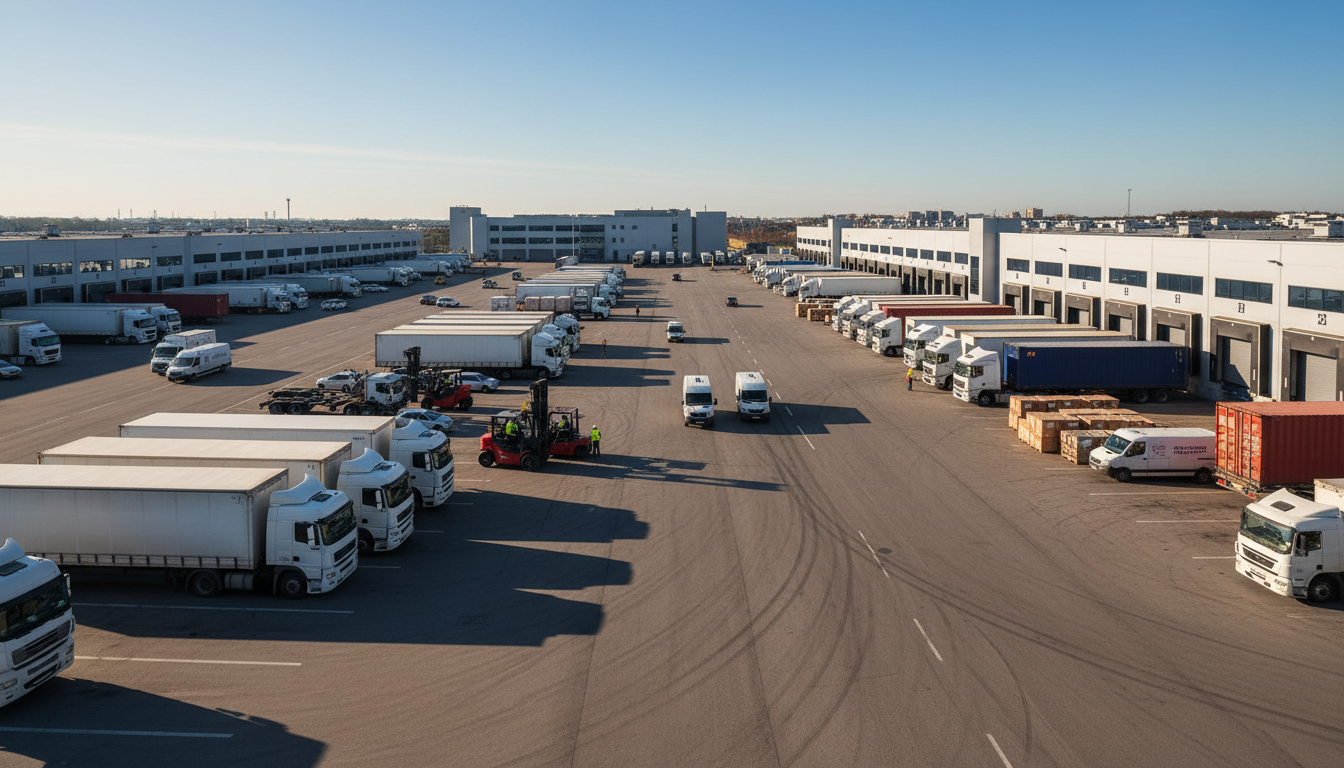
Seasonal peaks often coincide with holidays, weather changes, or industry-specific events. Retailers, for instance, experience a surge in demand during the holiday season, while agricultural businesses may see increased activity during harvest periods. Recognizing these patterns allows businesses to better prepare and respond to the heightened logistics needs.
Planning and Forecasting
Effective planning and forecasting are crucial for managing seasonal freight demands. Companies should analyze historical data to identify trends and project future needs. This involves understanding not just the volume of goods, but also the timing and destinations of shipments. Leveraging technology, such as predictive analytics, can enhance accuracy in forecasting.
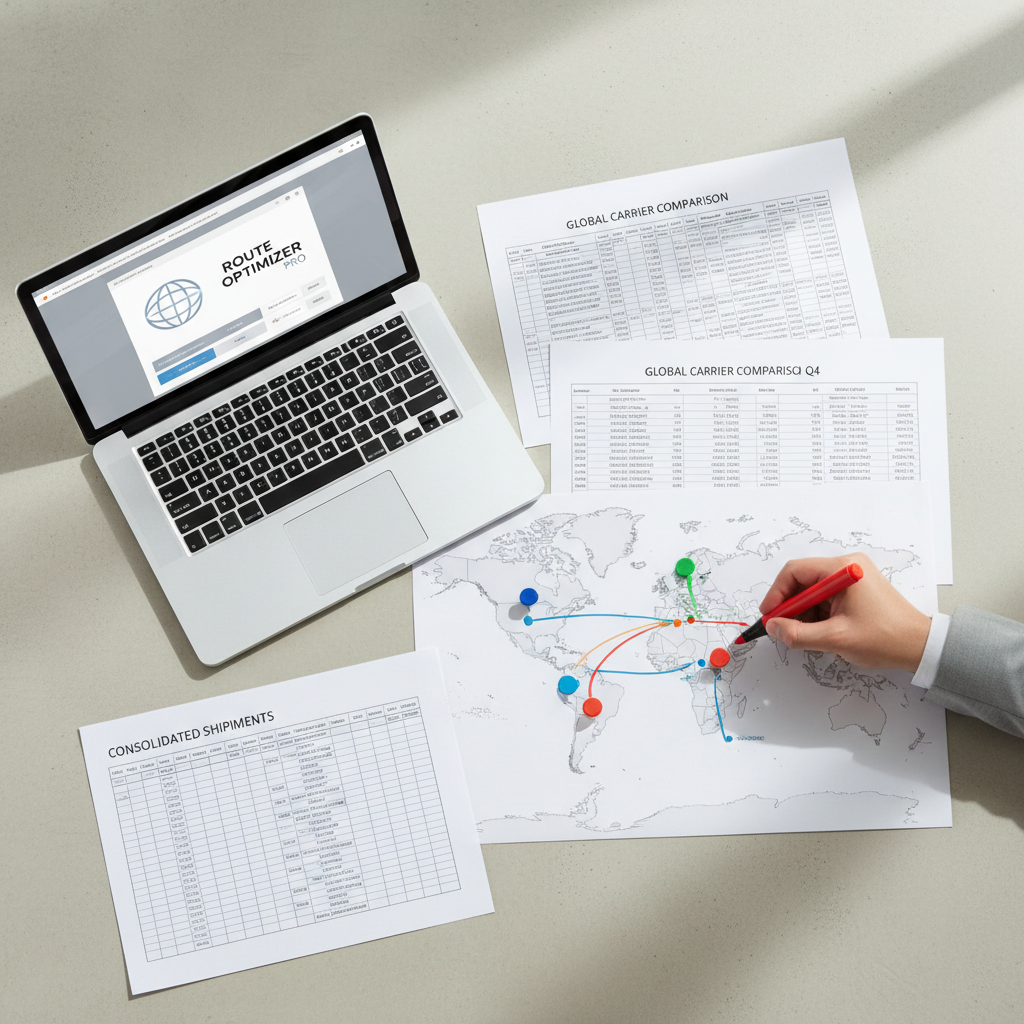
Creating a detailed plan that outlines resources, timelines, and contingency measures can prevent bottlenecks and ensure smooth operations. Businesses should also consider collaborating with logistics partners to gain insights and access additional resources during peak times.
Optimizing Supply Chain Management
Optimizing supply chain management is another key strategy in preparing for seasonal freight demands. This involves streamlining processes, improving communication, and enhancing flexibility across the supply chain. Implementing a robust inventory management system can help track stock levels and reduce the risk of overstocking or stockouts.
- Enhance supplier relationships for better coordination.
- Utilize technology to monitor and adjust supply chain operations in real-time.
- Adopt flexible warehousing options to accommodate fluctuating inventory levels.

Utilizing Flexible Transportation Options
To efficiently handle seasonal freight demands, businesses should explore flexible transportation options. This includes diversifying the modes of transport, such as combining road, rail, and air freight to optimize cost and speed. Building relationships with multiple carriers can also provide the flexibility needed to adjust to changing demands.
Additionally, leveraging technology for real-time tracking can enhance visibility and improve decision-making throughout the transportation process. This ensures that any potential disruptions can be addressed promptly, minimizing impact on delivery timelines.
Strengthening Communication and Collaboration
Effective communication and collaboration with stakeholders are vital during peak seasons. Keeping open lines of communication with suppliers, carriers, and customers can help manage expectations and address any issues that arise. Regular updates and feedback loops ensure everyone is aligned and informed.

Moreover, empowering teams to make decisions and respond quickly to changes can improve overall efficiency. Encouraging a culture of collaboration and adaptability among employees and partners can lead to more innovative solutions and a smoother logistical process.
Conclusion
Preparing for seasonal freight demands requires a proactive and strategic approach. By understanding demand patterns, planning effectively, optimizing supply chain management, utilizing flexible transportation options, and strengthening communication, businesses can navigate these challenges successfully. Implementing these strategies will not only enhance operational efficiency but also improve customer satisfaction and business resilience.